
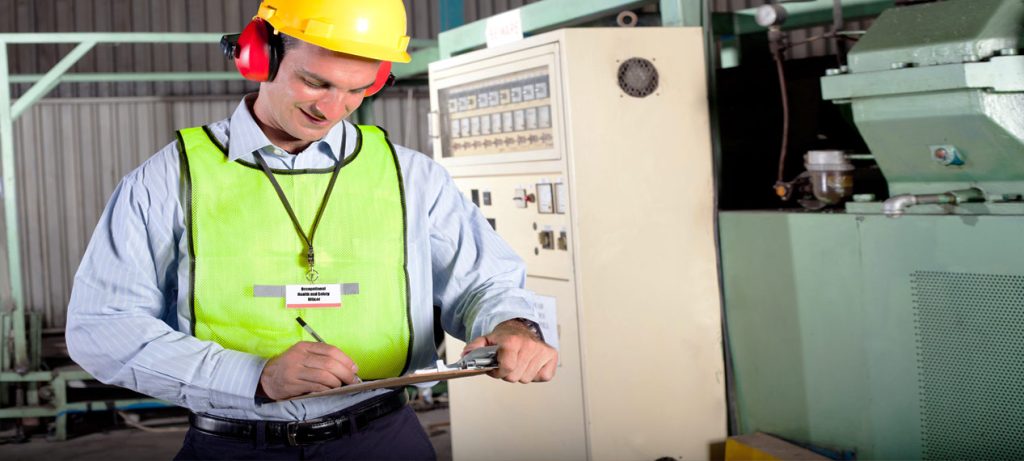
Noise testing, noise sampling, and noise surveys are essential occupational hygiene services for workplaces and facilities in Amherstburg, Ontario. Excessive noise exposure is a well-documented occupational hazard that can lead to permanent hearing loss, increased stress, reduced productivity, and safety concerns. Employers have a duty to understand and control noise hazards in their workplaces, and professional noise assessments provide the data needed to make informed decisions.
Amherstburg includes a diverse mix of industrial facilities, commercial operations, municipal infrastructure, construction activities, and service-based workplaces. Each of these environments can present unique noise challenges depending on equipment, processes, building design, and duration of exposure. This blog provides a comprehensive overview of noise testing and noise surveys in Amherstburg, explaining why they are required, how they are performed, and how results are used to protect workers and demonstrate due diligence.
Understanding Occupational Noise
Occupational noise refers to unwanted or harmful sound generated by workplace activities, equipment, or processes. Common sources include machinery, compressors, pumps, HVAC systems, manufacturing equipment, vehicle traffic, alarms, and construction tools. The risk associated with noise exposure is influenced by sound level, frequency, and duration.
Noise-induced hearing loss is typically gradual and irreversible. Workers may not immediately notice changes to their hearing, which is why objective measurement through noise testing is critical. Beyond hearing damage, excessive noise can interfere with communication, increase the likelihood of accidents, and contribute to fatigue and stress-related health effects.
Why Noise Testing Is Important in Amherstburg
Noise testing in Amherstburg is important because many workplaces operate equipment capable of producing sound levels that exceed recommended exposure limits. Without measurement, employers cannot accurately assess risk or determine whether controls are required.
Noise surveys provide quantitative data that supports compliance with occupational health and safety requirements. They also help identify high-noise areas, tasks, or equipment that may require engineering controls, administrative controls, or personal protective equipment. In many cases, testing is also requested following worker complaints, equipment upgrades, or process changes.
For employers, noise testing demonstrates a proactive approach to worker health and safety. For workers, it provides assurance that noise hazards are being identified and managed appropriately.
Regulatory Context for Noise Exposure in Ontario
In Ontario, occupational noise exposure is regulated under the Occupational Health and Safety Act and associated regulations. Employers are required to take every reasonable precaution to protect workers from hazardous noise exposure. Regulatory limits are typically based on an eight-hour time-weighted average exposure, with allowable exposure time decreasing as noise levels increase.
Noise surveys are often used to assess compliance with these limits. Where exposures exceed regulatory thresholds, employers are expected to implement controls to reduce noise or limit exposure duration. Documentation from professional noise testing can be critical during inspections, investigations, or claims related to hearing loss.
Although regulations establish exposure limits, they do not prescribe a single method for compliance. Noise testing provides the evidence needed to select and justify appropriate control measures.
Types of Noise Assessments
Noise assessments can take several forms depending on the objective of the evaluation. Area noise surveys measure sound levels at fixed locations to identify high-noise zones within a facility. These surveys are useful for mapping noise distribution and determining where signage or access controls may be required.
Personal noise sampling involves attaching a noise dosimeter to a worker to measure their exposure over a full or partial shift. This approach captures variations in noise levels associated with different tasks and movements, providing a more accurate representation of actual exposure.
Task-based noise measurements focus on specific activities or equipment to determine their contribution to overall exposure. This information is valuable when evaluating engineering controls or changes to work practices.
Noise Sampling Equipment and Methodology
Professional noise testing uses calibrated sound level meters and noise dosimeters designed to meet recognized standards. Equipment calibration is critical to ensure accuracy and defensibility of results. Field calibration checks are typically performed before and after sampling.
Sound level meters provide instantaneous and averaged sound measurements, often expressed in A-weighted decibels. Noise dosimeters continuously log exposure data over time, calculating time-weighted averages and percentage dose.
Sampling strategies are developed based on job roles, shift lengths, equipment usage, and workplace layout. A well-designed noise survey ensures that results are representative and meaningful rather than isolated or misleading.
Noise Surveys for Industrial and Commercial Facilities
Industrial and commercial facilities in Amherstburg often present complex noise environments due to multiple operating systems and variable processes. Noise surveys in these settings typically combine area measurements and personal sampling to capture a complete picture of exposure.
Manufacturing plants may involve continuous equipment noise, while maintenance activities can introduce intermittent high-level exposures. Warehouses and distribution centres may have noise from forklifts, alarms, and material handling. Commercial facilities may experience elevated noise from mechanical rooms, refrigeration systems, or customer-facing operations.
Noise surveys help facility managers prioritize controls and allocate resources effectively by identifying the most significant contributors to noise exposure.
Noise Testing in Construction and Municipal Settings
Construction activities are a common source of elevated noise exposure in Amherstburg. Power tools, heavy equipment, and demolition activities can generate sound levels well above occupational limits. Noise testing in construction environments is particularly important due to the transient nature of work and varying exposure durations.
Municipal operations such as water treatment facilities, pumping stations, and public works garages also require noise assessments. These facilities often operate continuously and may expose workers to high noise levels during routine tasks.
Noise surveys in these settings support hazard identification, hearing protection programs, and communication with workers regarding safe work practices.
Interpreting Noise Survey Results
Interpreting noise testing results requires an understanding of regulatory exposure limits and occupational hygiene principles. Results are typically compared to allowable exposure limits based on time-weighted averages and exchange rates.
Exceedances indicate the need for controls, but even exposures below limits may warrant action if workers report discomfort or if best practices suggest further risk reduction. Trends across multiple surveys can reveal whether noise levels are increasing over time or if controls are effective.
Professional reports should clearly explain results, identify areas of concern, and provide practical recommendations tailored to the workplace.
Noise Control Measures and Recommendations
When noise surveys identify elevated exposures, a hierarchy of controls is typically applied. Engineering controls aim to reduce noise at the source through equipment modifications, enclosures, barriers, or maintenance improvements. These controls are generally the most effective and sustainable.
Administrative controls may include limiting exposure duration, rotating tasks, scheduling noisy activities during low-occupancy periods, or implementing quiet zones. Hearing protection is often used as a supplementary measure when other controls cannot adequately reduce exposure.
Noise testing plays a critical role in evaluating the effectiveness of these controls and determining whether additional measures are required.
Hearing Conservation Programs
Noise surveys often form the foundation of a hearing conservation program. Such programs typically include noise exposure assessment, worker training, provision of hearing protection, and audiometric testing where required.
In Amherstburg workplaces with ongoing noise exposure, regular noise testing helps ensure that hearing conservation measures remain appropriate as equipment, processes, or staffing change. Documentation from noise surveys supports program effectiveness and regulatory compliance.
When to Conduct Noise Testing
Noise testing should be conducted whenever there is a reasonable potential for hazardous noise exposure. Common triggers include worker complaints, new equipment installations, process changes, renovations, or following an incident involving communication or hearing concerns.
Periodic reassessment is also recommended in environments with consistent noise sources to confirm that conditions have not changed. Employers may also choose to conduct baseline surveys for new facilities or operations as part of their occupational health and safety planning.
The Value of Professional Noise Consultants
Engaging a professional noise consultant ensures that testing is performed using appropriate methods and interpreted correctly. Consultants bring expertise in sampling strategies, regulatory requirements, and control options that go beyond simple measurement.
Professional noise surveys provide defensible documentation and clear recommendations that employers can act upon. This level of rigor is particularly important when noise exposure may be scrutinized by regulators, insurers, or legal representatives.
Local consultants familiar with Amherstburg industries and infrastructure can provide practical, site-specific guidance.
Noise Testing in Amherstburg, Ontario
Noise testing, noise sampling, and noise surveys are essential tools for protecting worker health and managing occupational risk in Amherstburg. From industrial facilities and construction sites to municipal operations and commercial workplaces, noise hazards can be effectively identified and controlled through professional assessment.
Employers who invest in noise surveys demonstrate a commitment to safety, compliance, and worker well-being. Accurate data supports informed decision-making and helps prevent long-term health impacts associated with noise exposure.
Conclusion
Noise testing and noise surveys are a critical component of occupational health and safety programs in Amherstburg, Ontario. By understanding noise hazards, measuring exposure accurately, and implementing appropriate controls, employers can reduce risk and meet their legal obligations.
Professional noise sampling provides the clarity needed to protect workers, improve workplace conditions, and maintain compliance. As workplaces continue to evolve, ongoing noise assessment remains an essential part of responsible operations in Amherstburg.
Contact IES today to see how we can provide peace of mind at your Amherstburg location.